








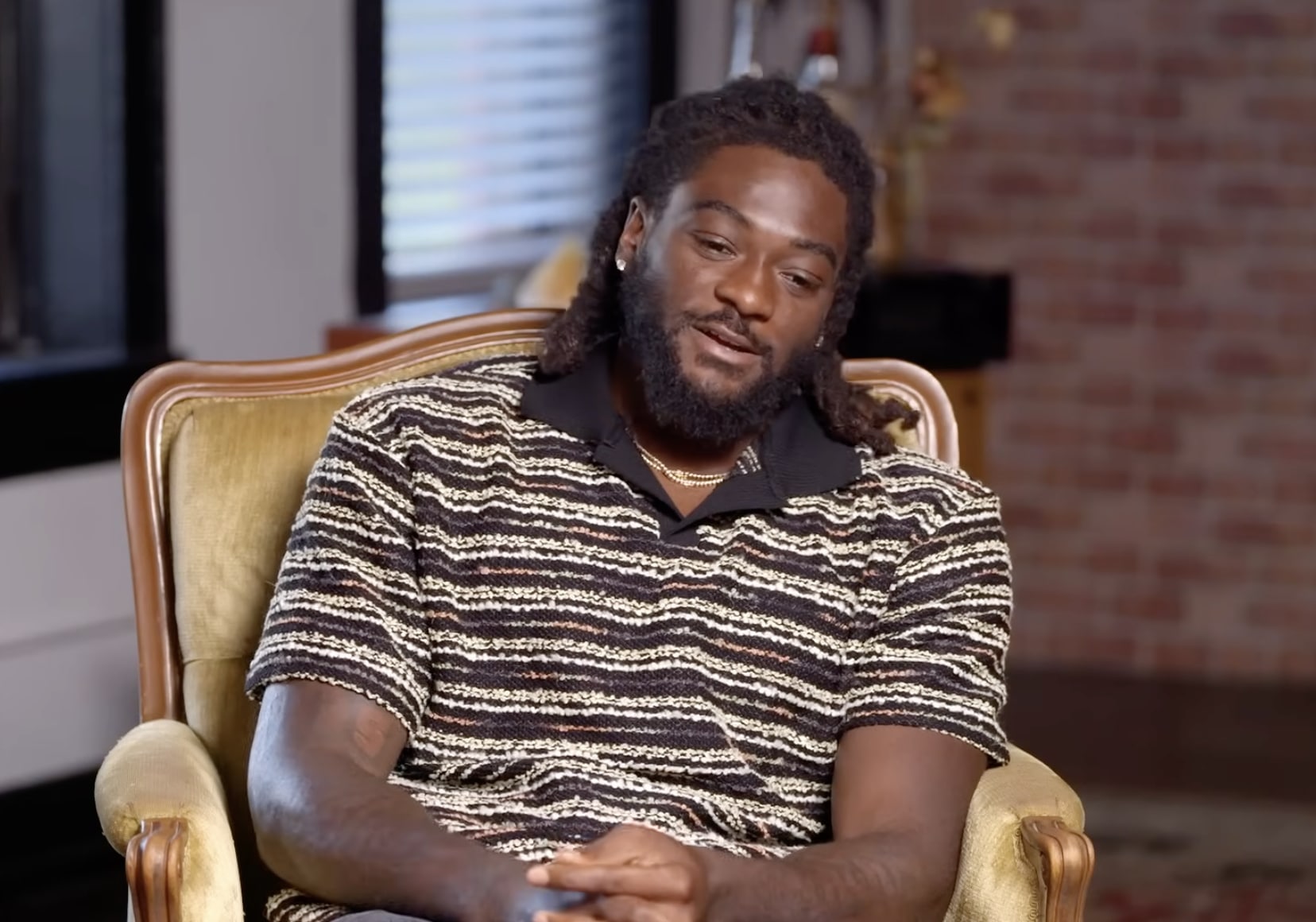
The narrative surrounding Brandon Aiyuk and the San Francisco 49ers has shifted from a football debate into a complex game of financial leverage. The situation reached a turning point when the 49ers voided more than $26 million in guaranteed salary for 2026, a move that fundamentally altered the player’s long-term security. By removing these guarantees, the organization effectively reset the negotiation timeline, granting the front office the freedom to manage the situation without immediate fiscal pressure. This maneuver has allowed the 49ers to dictate the pace of discussions while optimizing their future cap health.
A Shift in Negotiating Power and Player Obligations
Head coach Kyle Shanahan previously described the Aiyuk saga as “unusual,” a term that continues to resonate as the standoff persists. Typically, wide receiver contract disputes follow a standard trajectory: the player seeks a market-setting deal, the team waits, and a resolution is reached through an extension or a trade. However, this case took a sharp detour when the 49ers voided Aiyuk’s future guarantees. Reports indicate this decision was tied to missed rehab sessions and team-related obligations. Because Aiyuk did not challenge this move through the NFLPA, the team gained a significant strategic advantage, fundamentally shifting the power dynamics in favor of the front office.
Strategic Timing and the Post-June 1 Salary Cap Impact
In the high-stakes world of NFL roster management, timing is often as critical as talent. One of the primary reasons for the current stalemate involves the league’s salary cap rules. By waiting until after June 1 to make a potential move, the 49ers gain the ability to spread the resulting dead money over two seasons. This flexibility is vital for a team in a championship window, as it prevents a massive single-year cap hit. This financial reality has allowed San Francisco to remain patient, waiting for a desperate suitor or a market shift that meets their valuation of the star receiver.
Evaluating Market Interest Amid Injury and Contract Concerns
While Brandon Aiyuk is recognized as one of the league’s premier route runners, his trade value is influenced by more than just his on-field production. Any team interested in acquiring him must account for his recovery from a significant knee injury and the recent changes to his contract structure. Prospective suitors are likely looking for medical assurances and a clear path toward a long-term extension before committing high-value draft picks. Because of these variables, both the 49ers and potential trade partners are proceeding with caution, leading to the current lack of movement on the trade front.
Why the Brandon Aiyuk Saga Continues to Stall
The reason this story continues to dominate the headlines is that the financial mechanics have become more important than the player’s statistics. In most scenarios, a receiver of Aiyuk’s caliber would have been traded or extended by now. However, the 49ers have successfully prioritized flexibility, while Aiyuk has seen a reduction in his future financial guarantees. With both the team and the rest of the league having reasons to wait, the standoff has reached a plateau where neither side feels a desperate need to blink first.
Ultimately, the Brandon Aiyuk situation serves as a masterclass in NFL leverage. By utilizing contract clauses and the June 1st designation, the 49ers have turned a potential distraction into a manageable roster puzzle. While Aiyuk’s talent remains elite, the combination of injury history and a lack of future guarantees has created a unique market stalemate. Until a team is willing to meet the 49ers’ price and satisfy Aiyuk’s contract demands, this high-stakes game of chicken is likely to continue through the summer.