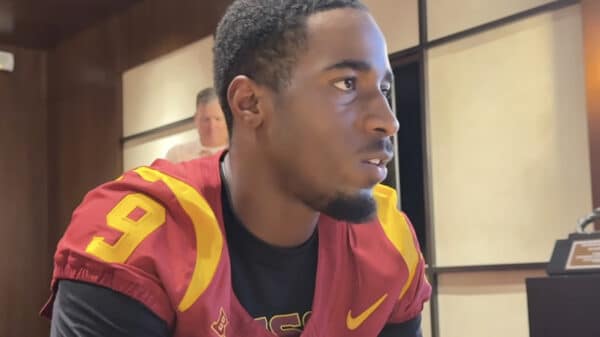


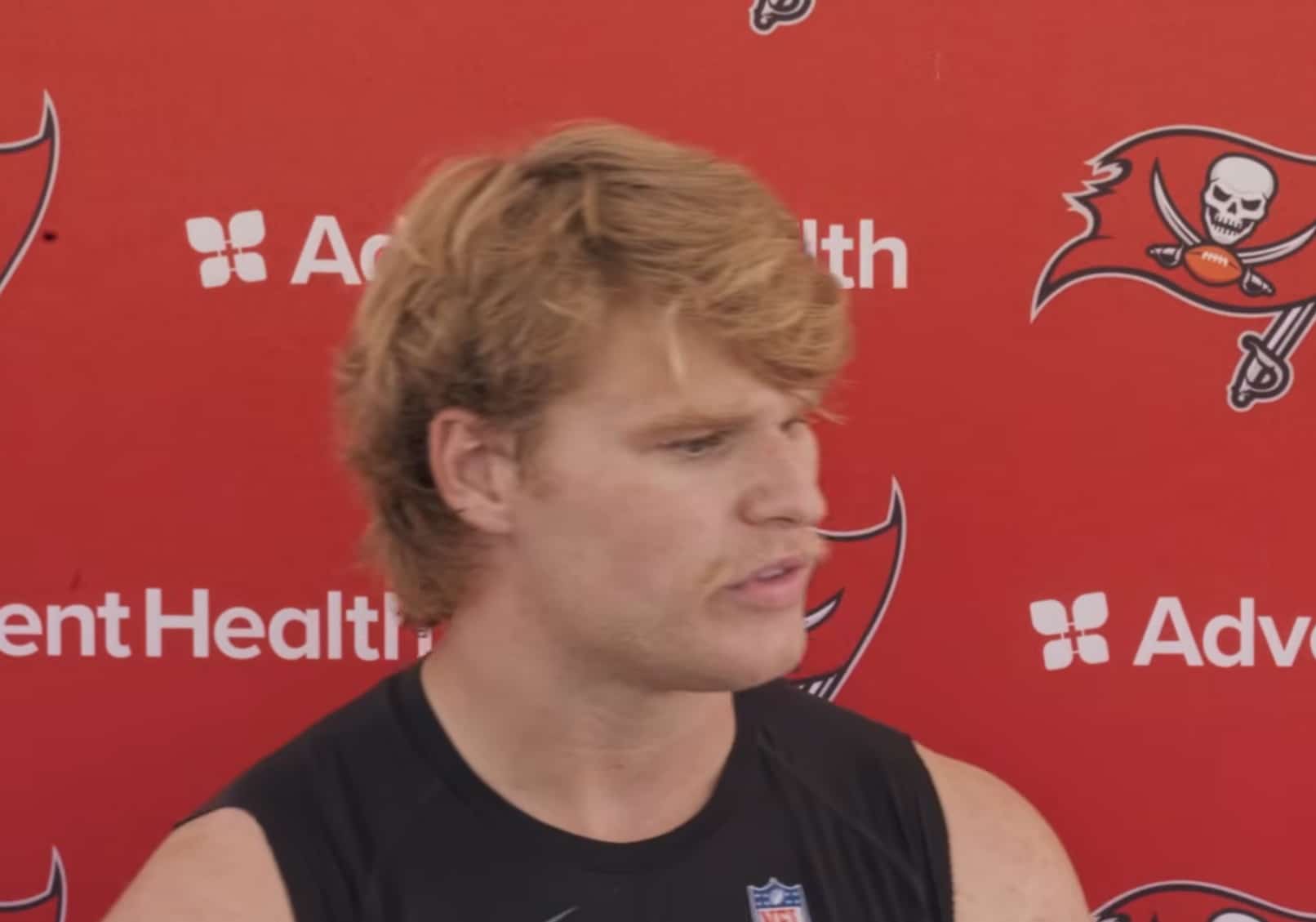
The landscape of professional and amateur sports is witnessing a rare reversal as Tampa Bay Buccaneers rookie Jack Pyburn, alongside 15 other athletes, has secured a legal pathway to return to the collegiate ranks. A judge in Louisiana issued a temporary restraining order (TRO) against the NCAA on Wednesday, effectively pausing eligibility restrictions and allowing these players to exit the NFL and rejoin college football programs.
This development serves as another significant legal setback for the NCAA, which is currently facing numerous challenges to its long-standing eligibility protocols. Pyburn’s legal challenge specifically addresses the “five-year clock” rule. He argues that his 2023 season at the University of Florida, which was cut short after nine games due to a torn ACL, should not have exhausted his collegiate eligibility.
A Growing Wave of Athletes Seeking Reinstatement
Pyburn is the most recent high-profile name to benefit from the court’s intervention, but he is far from alone. The Louisiana court also granted immediate relief to several other notable players looking to reclaim their amateur status. This group includes former James Madison linebacker Trent Hendrick, who was named the Sun Belt Defensive Player of the Year for the 2024 season. Hendrick had recently been scouted by the professional ranks, earning invitations to participate in rookie minicamps with both the Cleveland Browns and the Kansas City Chiefs.
The list of players involved in the TRO also features SMU running back TJ Harden and a trio of Ole Miss starters: Dae’Quan Wright, Zxavian Harris, and Wydett Williams. The ability of these established players to return to school could create a sudden influx of veteran talent into the college football ecosystem mid-year.
Legal Shifts in Eligibility and Professional Transitions
The current legal momentum began with a ruling in a Colorado court earlier this summer. Initially, that decision appeared to benefit members of the 2022 recruiting class who had opted for an extra year of eligibility but had not yet signed professional contracts. However, the scope of these challenges is broadening.
While some judicial clarifications suggested that NCAA regulations might still prevent players with signed NFL contracts from returning to campus, the reality on the ground is shifting. Reports indicate that collegiate programs have remained in active contact with various players about potential returns, despite their current professional standing. This creates a unique “free agency” atmosphere where even players currently in NFL training camps are weighing their options.
From the SEC to the NFL and Back Again
Before entering the professional ranks, Pyburn established himself as a productive defender in the SEC. During his final season at LSU, he was a consistent presence on the field, starting 11 games and recording 52 tackles, 5.5 tackles for loss, and two sacks. His performance earned him a spot in the Senior Bowl and eventually led to him signing with the Tampa Bay Buccaneers as an undrafted free agent.
Pyburn had been an active participant in the Buccaneers’ preseason training camp prior to this court ruling. While the TRO does not represent a final verdict in the ongoing lawsuit, it provides the edge rusher with immediate flexibility. Given his proven track record at the highest levels of college football, Pyburn is expected to be a highly sought-after defensive asset for any program looking to bolster its roster with experienced talent.
The Evolving Structure of College Sports Eligibility
This ruling is the latest evidence of the traditional NCAA eligibility model coming under intense judicial scrutiny. As courts continue to challenge the limitations placed on athlete movement and service time, the governing body’s ability to enforce its “five-year clock” and professionalization rules is being tested. For players like Pyburn and his peers, these legal victories provide a second chance to maximize their collegiate careers and potentially improve their professional standing before making a permanent move to the NFL.
The outcome of these cases will likely have long-term implications for how the NCAA manages injury waivers and the transition between amateur and professional athletics. For now, the door is open for a new era of “pro-to-college” transfers that could redefine roster management in the years to come.