

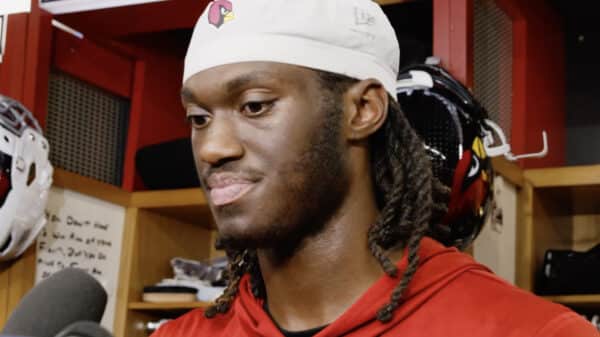

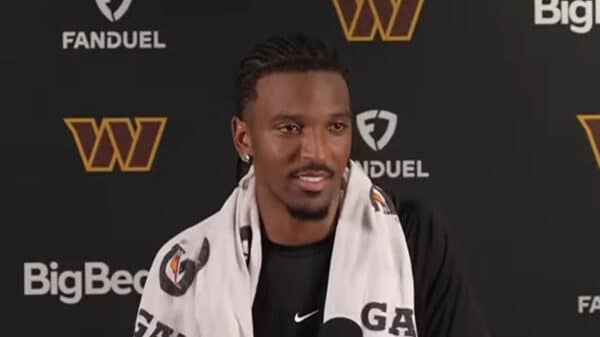


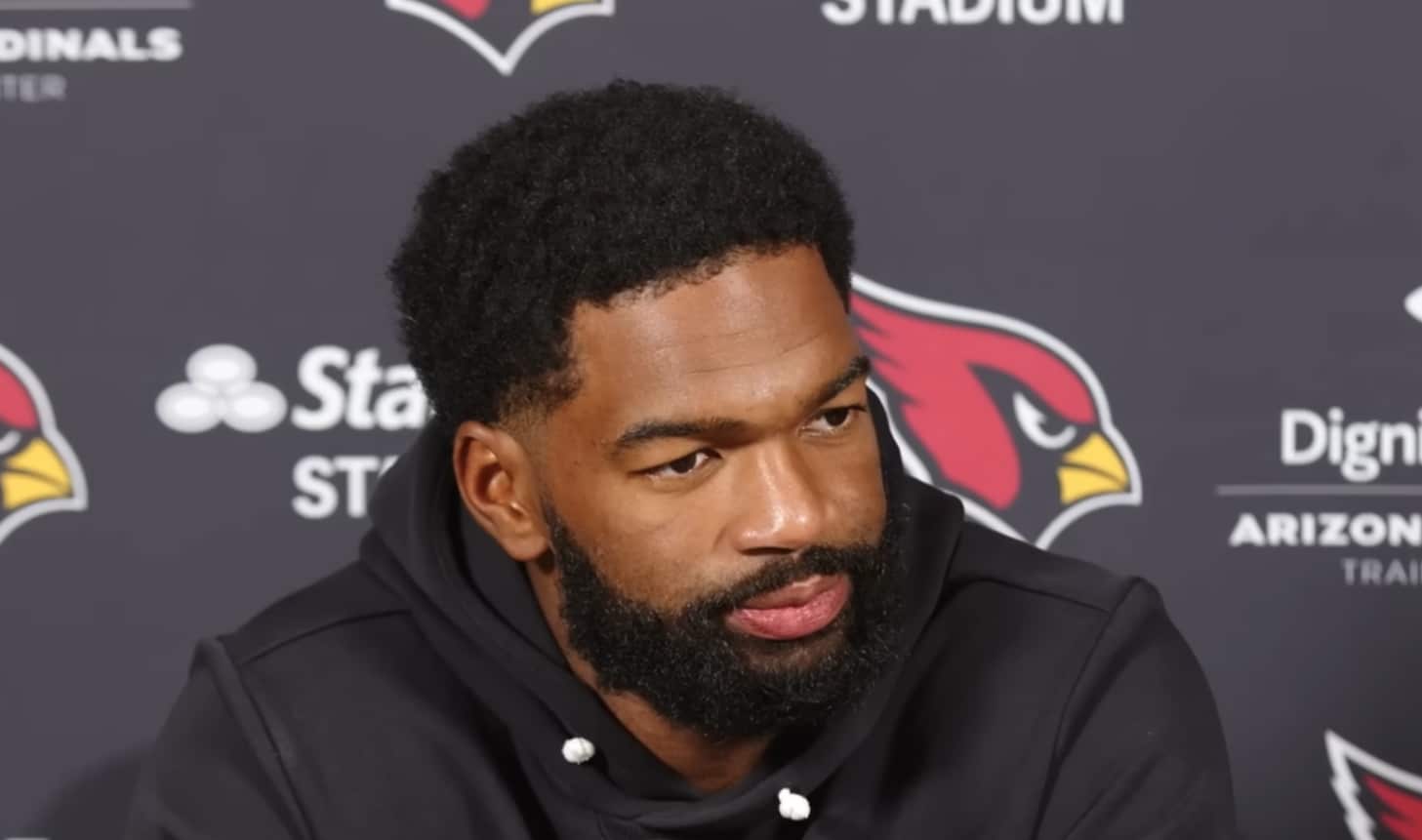
Marvin Harrison Jr. is navigating a delicate balance between professional solidarity and personal frustration. The Arizona Cardinals’ star wideout recently voiced his support for veteran quarterback Jacoby Brissett’s ongoing holdout, yet he did not shy away from the practical reality: the absence is stalling their offensive development. While Harrison acknowledged that Brissett must do “what’s best for him and his family,” he pointed out the obvious hurdle in building on-field rapport, noting that the quarterback simply “has to be here” for that to happen.
Brissett, who struggled through a 1-11 record in his starts last season, is currently skipping voluntary workouts in pursuit of a contract adjustment. This leaves Harrison to take repetitions with Gardner Minshew and rookie Carson Beck, a situation that is less than ideal for a receiver entering a pivotal stage of his career.
A Recurring Cycle of Quarterback Instability
The frustration surrounding the holdout is merely a symptom of a much larger problem. Since entering the league as the fourth overall pick and a decorated Biletnikoff Award winner, Harrison has faced a persistent lack of stability at the quarterback position. His early years, which many expected to be record-breaking given his Hall of Fame pedigree, have been tempered by external factors. Between Kyler Murray’s injury setbacks and the inconsistent play of various backups, Harrison has yet to benefit from a sustained, high-level partnership under center.
The long-term outlook remains murky. With the Cardinals’ front office reportedly viewing 2026 as a “bridge year” for the position, there is a growing concern that the team is failing to capitalize on Harrison’s athletic prime. By labeling the immediate future as a transitional period, the organization is essentially admitting that the infrastructure to maximize a generational talent at wide receiver is not yet in place.
The Critical Impact of Lost Offseason Development
Chemistry between a receiver and a quarterback is rarely an overnight achievement. It is built on thousands of repetitions, often during the exact voluntary spring sessions that Brissett is currently missing. For a quarterback who functions as a journeyman rather than an entrenched elite starter, these reps are even more vital for establishing the trust required for back-shoulder throws and high-velocity anticipation routes.
This lack of continuity is further complicated by the arrival of a new offensive system under Mike LaFleur. Harrison is currently tasked with mastering a fresh playbook while catching passes from a rotation of temporary options. For a player entering a “make-or-break” third season, these missed opportunities to synchronize with the intended starter can have a compounding negative effect. The holdout may be the immediate headline, but the underlying narrative is whether Arizona is inadvertently wasting the early years of a premium asset while they search for a permanent solution at quarterback.
Final Thoughts on the Cardinals’ Offensive Outlook
The situation in Arizona highlights the difficult reality for elite wide receivers in the NFL: their success is often tethered to circumstances beyond their control. While Marvin Harrison Jr. remains a consummate professional and a supportive teammate, the lack of a stable quarterback presence continues to be a significant barrier to his ceiling. If the Cardinals are to avoid wasting Harrison’s prime, they must find a way to move past the “bridge” phase and provide him with the consistent, high-level passer his talent deserves. Until then, both the player and the fans are left waiting for a breakthrough that remains just out of reach.