


The landscape of collegiate athletics is facing a period of intense transition, prompting federal lawmakers to propose a new regulatory framework. Senators Ted Cruz (R-Texas) and Maria Cantwell (D-Wash.) recently introduced the Protect College Sports Act, a bipartisan effort designed to bring order to the current environment. During a recent Senate Commerce Committee hearing, several prominent figures from the sports world gathered to discuss the bill’s potential impact on the future of the industry.
This legislative proposal aims to stabilize the chaotic nature of Name, Image, and Likeness (NIL) deals, particularly in high-revenue sports like football and basketball, while ensuring the survival of non-revenue Olympic and women’s programs. A cornerstone of the act involves granting the NCAA a degree of antitrust protection. This would empower the organization to establish and enforce national standards regarding athlete eligibility and the transfer portal without constant fear of litigation.
The Protect College Sports Act outlines a comprehensive set of reforms, including:
- Establishing a singular national NIL standard to replace the current patchwork of state-level regulations.
- Providing the NCAA and athletic conferences with limited shielding from antitrust lawsuits.
- Implementing federal oversight and mandatory disclosure for NIL contracts.
- Strengthening the regulation of third-party boosters, NIL collectives, and athlete representation.
- Creating a mechanism for governing bodies to review NIL agreements for “fair market value.”
- Increasing authority over transfer portal rules and the prevention of illegal tampering.
- Mandating that institutions provide specific protections for student-athlete health, academics, and safety.
- Placing restrictions on mid-season coaching changes and hiring practices.
- Codifying the structure resulting from the House vs. NCAA settlement into federal law.
- Improving the NCAA’s capacity to uphold rules regarding eligibility and compensation.
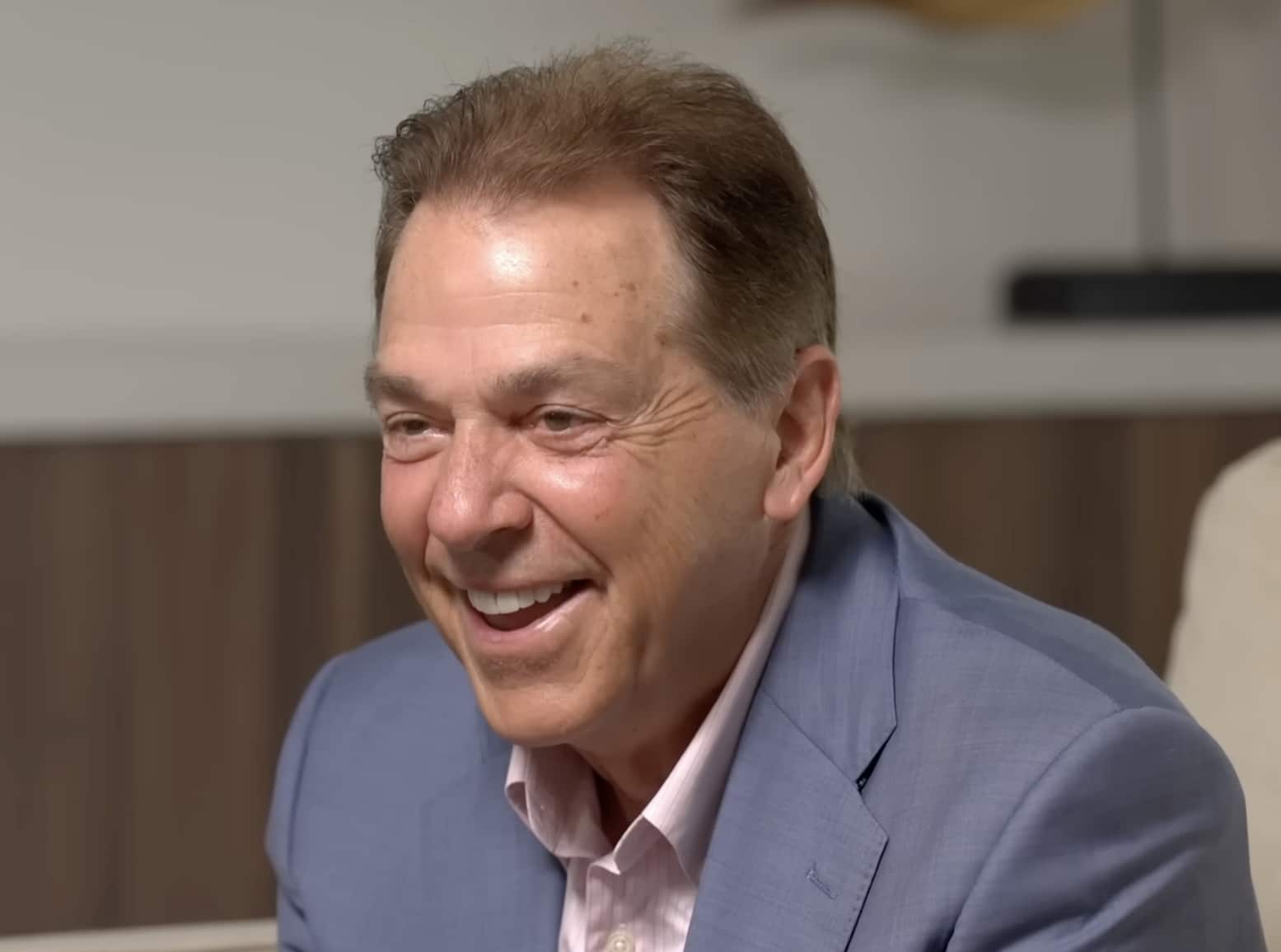
The Senate hearing featured high-profile witnesses, including former Alabama head coach Nick Saban, Notre Dame Athletic Director Pete Bevacqua, former university president Gordon Gee, Pac-12 Commissioner Teresa Gould, and Utah football player Lance Holtzclaw. Over several hours of testimony, these experts detailed the systemic issues facing college sports, from escalating bidding wars for talent to the lack of oversight regarding athlete agents.
Addressing the Financial Chaos: NIL Collectives and Pay-for-Play
Nick Saban, who retired following the 2023 season after more than three decades in coaching, provided a firsthand look at the rapid inflation of roster costs. He described an exponential rise in the budgets required to maintain a competitive team since players gained the right to monetize their NIL.
Saban noted that during his final years at Alabama, the collective budget grew from $2.7 million to a staggering $24 million. He warned that some programs are now operating with roster budgets approaching $40 million. Saban characterized this environment as a “race to the bottom,” cautioning that if schools are forced to spend excessively just to remain competitive, they risk alienating fans and draining resources from other essential programs.
Both Saban and Bevacqua expressed support for reigning in the influence of boosters and collectives that use NIL as a loophole to bypass revenue-sharing limitations. Bevacqua specifically argued that the current revenue-sharing cap established by the House settlement is insufficient. He suggested that a higher, more realistic cap would allow universities to compensate athletes directly and transparently, reducing the reliance on unregulated third-party deals.
The Protect College Sports Act seeks to address these “pay-for-play” scenarios by allowing for the review of deals to ensure they reflect true market value. However, the bill notably excludes measures to address the rising costs of coaching salaries or contract buyouts.
Protecting Athletes Through Agent Accountability
Another major focus of the hearing was the lack of professional standards for agents representing college athletes. Bevacqua and Saban called for a regulatory system similar to those found in professional leagues to protect young athletes from predatory practices.
Saban highlighted a significant disparity in commission rates, noting that while NFL agents typically charge between 3% and 5%, some college athletes are being charged as much as 20%. Bevacqua advocated for a centralized database or registry for agents to ensure transparency and suggested a cap on commissions.
The goal is to provide a safety net for teenagers who may lack the experience to negotiate fair terms. By establishing a registry, the industry can better monitor who is interacting with athletes and ensure that student-athletes are not being exploited during high-stakes negotiations.
Reforming Leadership and Pooling Media Rights
Gordon Gee, who has led five different major universities, offered a blunt assessment of how college athletics reached its current state. He attributed much of the instability to conference commissioners who he believes have prioritized profit and commercial interests over the academic mission of universities.
Gee argued that university presidents must reclaim authority over the direction of college sports. He also expressed deep concern regarding the financial viability of athletic departments, citing projections that college sports could see a $5 billion shortfall by 2026. To combat this, Gee suggested that the antitrust protections in the new bill could allow conferences to pool their media rights, mirroring the successful models used by the NFL and NBA to maximize revenue for all member institutions.
Teresa Gould, the Pac-12 Commissioner, echoed these concerns, stating that economic pressures have frequently pushed student-athlete well-being to the background. She emphasized that the recent waves of conference realignment were driven by financial survival rather than the best interests of the players.
The Struggle to Maintain Olympic and Women’s Sports
A significant portion of the legislative discussion centered on the “non-revenue” programs that are often the first to face cuts when budgets are tight. Senator Cantwell and several witnesses raised alarms about the declining support for Olympic and women’s sports as schools funnel more money into football and basketball.
Commissioner Gould pointed out that institutions outside of the “power” conferences face even greater hurdles in keeping these programs afloat. She noted that the widening financial gap between the elite conferences and the rest of the field puts broad-based athletic programs at serious risk.
As a potential remedy, Bevacqua proposed that any university choosing to exceed a revenue-sharing cap should be required to reinvest a portion of those funds—perhaps 20 to 25 cents on the dollar—directly into Olympic and women’s sports. This would create a built-in subsidy to ensure gender equity and the preservation of diverse athletic opportunities.
Opposition from the Big Ten and SEC
Despite the support from various witnesses, the two most powerful conferences in college sports remain skeptical. The SEC and the Big Ten issued a joint statement just before the hearing, voicing their opposition to the Protect College Sports Act in its current form.
The conferences expressed concern that the bill would hand too much decision-making power to Congress, thereby reducing the ability of conferences to adapt to a rapidly changing landscape. They also argued that the legislation might actually lead to more litigation and disrupt the recently established revenue-sharing models.
SEC Commissioner Greg Sankey has acknowledged the need for some form of federal intervention to prevent further fracturing of the collegiate system, but he has signaled that the current proposal may not be the solution the major conferences are looking for. Without a unified path forward, the divide between federal lawmakers and the leaders of the nation’s largest athletic programs continues to grow.
Summary of the Legislative Landscape
The Protect College Sports Act represents a significant attempt to bring national uniformity and financial sanity to a system currently defined by state-by-state rules and unchecked spending. While many experts agree that federal intervention is necessary to regulate NIL agents, protect non-revenue sports, and provide antitrust clarity, the opposition from the SEC and Big Ten suggests that the road to passing this legislation will be fraught with challenges. The ultimate goal remains finding a balance between the commercial realities of modern sports and the traditional academic and developmental values of the student-athlete experience.