






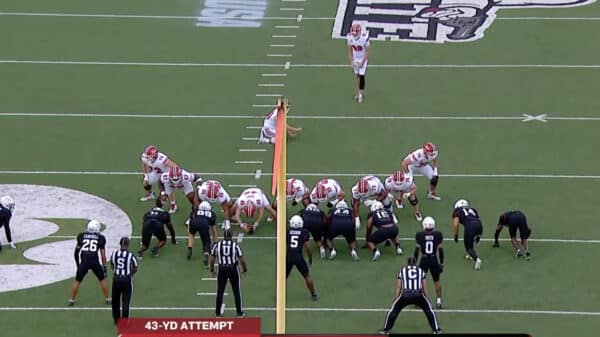









The San Francisco 49ers are navigating one of the most demanding travel itineraries in NFL history. Starting their campaign in Australia and later heading to Mexico City for a Week 11 matchup, they are poised to become the first team to play two international games in non-consecutive weeks during a single season. This grueling schedule initially suggested the 49ers would cover a record-breaking 38,105 miles.
However, that projection may change based on a strategic pivot from head coach Kyle Shanahan. To mitigate the physical toll and maximize performance, the team is evaluating a specialized travel itinerary for their trip to Mexico. If implemented, this adjustment would not only help the players recover but would also prevent the franchise from surpassing the all-time league record for total miles traveled in a season.
Strategic Logistics: Why the 49ers Might Dodge a Record-Breaking Travel Season
The primary concern for the Week 11 clash against the Minnesota Vikings is the extreme elevation of Mexico City. Sitting at 7,350 feet, the city’s altitude significantly exceeds that of Denver (5,280 feet), the highest elevation currently found in the NFL. To ensure the roster is properly conditioned for the thin air, Shanahan indicated that the team plans to hold practices in Colorado the week leading up to the game.
“The main thing with Mexico City is it’s 2,000 [feet] higher than Denver,” Shanahan explained during a recent media session. “We like to get adjusted to that altitude. So, we’ll probably go to Colorado Springs again like we did last time to get ready for that altitude and then probably go to Mexico City the night before.”
Under this proposal, the 49ers would fly directly from their Week 10 road game against the Dallas Cowboys on November 15 to Colorado Springs, rather than returning to the Bay Area. While the coaching staff has yet to finalize the plan, Shanahan noted it is the most likely path forward.
Week 10: Comparing Traditional Round-Trip Routes
Standard scheduling usually involves teams returning to their home base—in the 49ers’ case, flying out of San Jose—between away games. If the team chose to return home after their trip to Dallas, the mileage for Week 10 would look like this:
- San Jose to Dallas (Round trip): 2,876 miles
Week 11: The Cost of Returning to California vs. Staying on the Road
If the 49ers return to San Jose after the Cowboys game and then fly to Mexico City the following week, the travel distance increases significantly:
- San Jose to Mexico City (Round trip): 3,702 miles
- Combined two-week total: 6,578 miles
Conversely, staying on the road to train at high altitude creates a much more efficient loop. The flight path would look like this: San Jose to Dallas (1,438 miles), Dallas to Colorado Springs (592 miles), Colorado Springs to Mexico City (1,376 miles), and finally Mexico City to San Jose (1,851 miles). This “stay-away” strategy totals just 5,257 miles.
By opting for the Colorado training camp, San Francisco would shave 1,321 miles off their season total, bringing their final tally down from 38,105 to 36,784 miles. While this remains an exhausting distance, it falls just short of the NFL record set by the Los Angeles Chargers last season, who covered 37,086 miles. Ultimately, the 49ers seem more focused on altitude acclimation and player health than claiming a spot in the travel history books.
Final Summary: The San Francisco 49ers are prioritizing performance over records by opting for a strategic “pitstop” in Colorado Springs between their Week 10 and Week 11 games. While their schedule is historically demanding, staying at altitude will likely provide a competitive advantage in Mexico City while simultaneously reducing their total season travel by over 1,300 miles, ensuring the Los Angeles Chargers’ mileage record remains intact for now.