











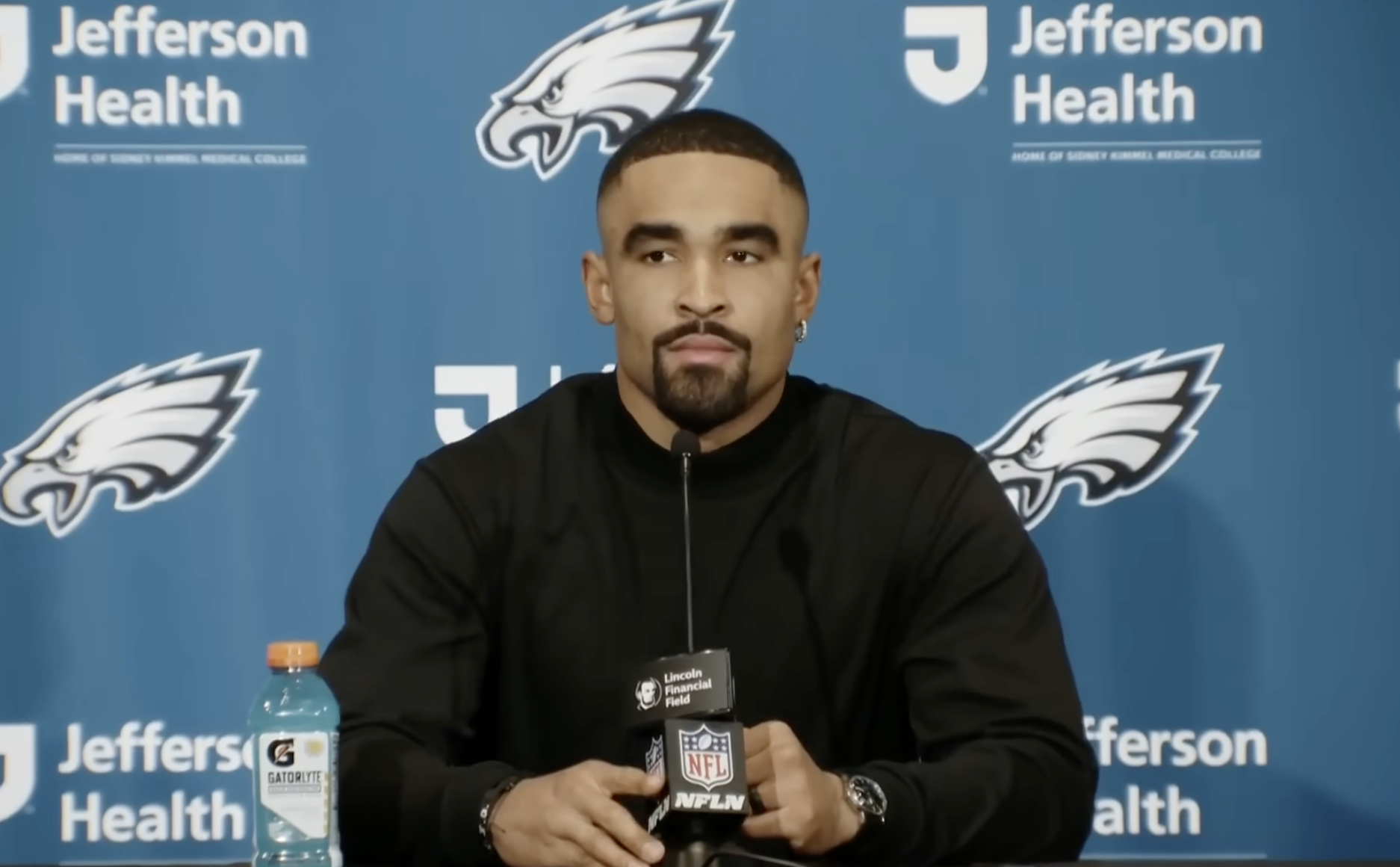
While the Philadelphia Eagles possess a championship-caliber roster, the primary objective for Sean Mannion is to simplify the schematic burden on Jalen Hurts. By implementing a system that emphasizes speed and unpredictability, the Eagles aim to optimize their existing star power. Early feedback regarding Mannion has been overwhelmingly positive, particularly among the team’s younger players, signaling a significant shift in offensive philosophy ahead of the 2026 season.
For Hurts, this evolution is a welcome change. In recent years, Philadelphia’s success has often relied on the individual brilliance of Hurts, A.J. Brown, DeVonta Smith, and Dallas Goedert. However, the offense frequently struggled with efficiency when initial options were neutralized. Transitioning to a more structured approach should alleviate the need for “hero ball” and allow the offense to flow more naturally.
Optimizing Jalen Hurts Through Improved Structural Clarity
With Mannion expected to take over play-calling duties in 2026, the Eagles are positioned to overhaul their offensive identity. This change is less about replacing personnel and more about refining the system. The goal is to provide Hurts with “cleaner” reads, allowing him to process the field and distribute the ball with greater urgency.
A modernized version of this unit should prioritize pre-snap motion, frequent play-action, and a heavy emphasis on the middle of the field. By creating more opportunities for receivers to gain yardage after the catch (YAC), Mannion can help Hurts establish a consistent rhythm. This structure reduces the necessity for Hurts to hold the ball behind the line of scrimmage while waiting for complex, vertical routes to develop, ultimately keeping the quarterback cleaner and the chains moving.
Maximizing the Passing Game Between the Hashes
Historically, the Eagles’ aerial attack has been heavily weighted toward the boundary and vertical shots. While these explosive plays remain vital, Mannion’s influence is expected to make the middle of the field a consistent threat. Utilizing crossers, quick seams, and in-breaking routes will force opposing defenses to cover the entire width and depth of the turf.
The integration of West Coast offensive principles aligns perfectly with Hurts’ skillset. These concepts offer high-percentage completions and defined reads, which can lead to better timing and fewer forced throws. This transition doesn’t require a fundamental change in what makes Hurts a threat; rather, it introduces a higher volume of “layup” throws that keep the defense off-balance and the offense ahead of the sticks.
Draft Strategy Reflects a Shift Toward Versatility
Philadelphia’s recent draft acquisitions provide a clear roadmap of the front office’s vision. By trading up to secure Makai Lemon at No. 20, the Eagles added a dynamic receiver capable of dominating the slot. Lemon’s reliable hands and elite ability to create after the catch provide Mannion with a specific tool to exploit the short and intermediate areas of the field where timing is paramount.
The selection of Eli Stowers in the second round further bolsters this new-look attack. Stowers, a former quarterback and Mackey Award winner, offers a unique tight end profile with the athleticism to threaten safeties and linebackers vertically. His presence allows the Eagles to utilize diverse personnel groupings that force defenses to reveal their coverage schemes before the snap, giving Hurts a tactical advantage.
Strategic Personnel Moves Enhance Roster Equilibrium
General Manager Howie Roseman’s execution during the draft window underscored a calculated effort to balance the roster. By navigating the draft board effectively, Philadelphia was able to secure a primary offensive weapon like Lemon while simultaneously addressing the defensive side of the ball. The trade that brought Jonathan Greenard to Philadelphia is a testament to this balanced approach.
Greenard, a proven pass rusher with a history of double-digit sack seasons, provides Vic Fangio’s defense with the veteran presence needed to close out games. By maintaining a high-level defense, Roseman ensures that the pressure on the new-look offense is manageable. The roster is now built to support Mannion’s play-calling while remaining formidable in all three phases of the game.
Elevated Expectations for the Eagles’ New Offensive Era
While the offseason optimism surrounding Mannion is encouraging, the true test will occur on game days. Play design is only as effective as its execution, and the primary metric for success will be how well it assists Hurts in staying on schedule. Hurts has already reached the game’s highest stages; the next evolution of his game involves navigating the passing attack when the primary option is taken away.
Mannion’s challenge is to implement this new structure without neutralizing the creative mobility and deep-ball prowess that make Hurts a dual-threat nightmare. The star power of Brown and Smith will still be central to the game plan, but the addition of easier, schematic completions will make the entire operation more sustainable.
With an elite offensive line, a deep stable of playmakers, and a quarterback in his prime, the pieces are in place. The success of the 2026 Eagles will likely hinge on whether Mannion can successfully bridge the gap between Philadelphia’s high-end talent and a more efficient, modern offensive system.
Final Thoughts: The arrival of Sean Mannion as play-caller represents a pivotal turning point for the Philadelphia Eagles. By prioritizing a more structured, West Coast-influenced passing game and utilizing new weapons like Makai Lemon and Eli Stowers, the Eagles are looking to transition from a talent-heavy offense to a schematically dominant one. If Mannion can provide Jalen Hurts with a higher frequency of easy completions and better rhythm, Philadelphia’s offensive ceiling will reach new heights in 2026.