







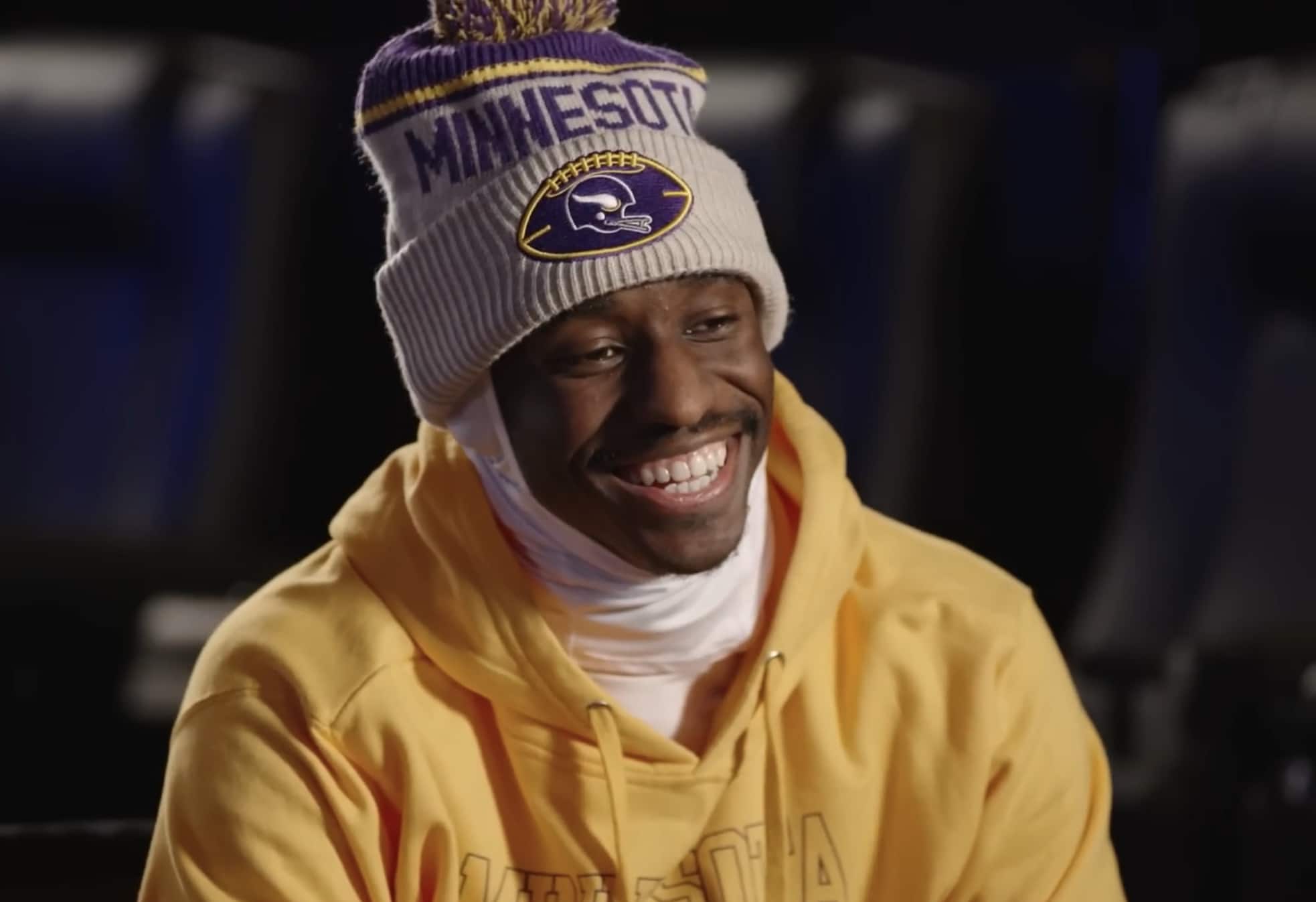
During the Minnesota Vikings’ recent minicamp, Jordan Addison provided a glimpse into the evolving identity of the team’s offense. While much of the external focus remains on veteran quarterback Kyler Murray, Addison’s observations suggest a significant shift in how the Vikings plan to attack defenses in 2026. Rather than relying solely on individual brilliance, the focus has moved toward a collective, multi-dimensional approach designed to keep defensive coordinators guessing.
Jordan Addison Envisions an Unstoppable Offensive Trio in Minnesota
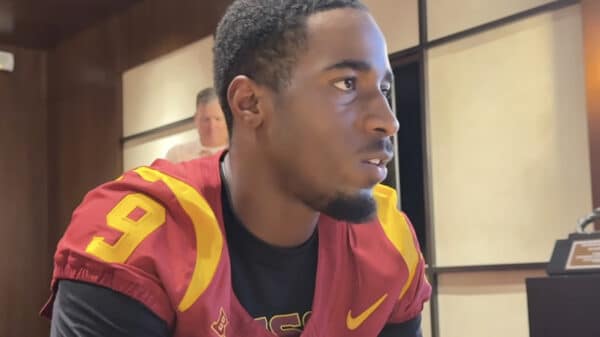
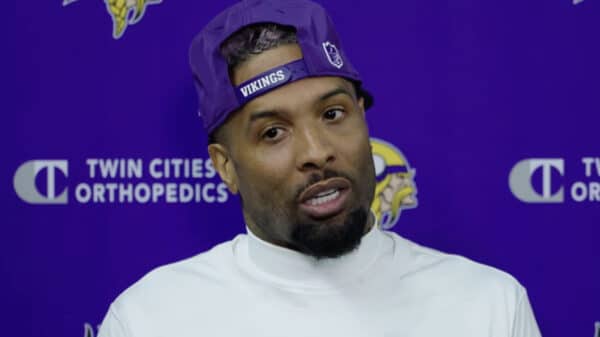
Addison’s media availability centered on the chemistry he is building with Murray, describing their rapport as a collaborative learning experience. While establishing a rhythm with a new quarterback is a standard offseason priority, Addison’s excitement truly peaked when discussing the potential of the Vikings’ pass-catchers. He compared the team’s top three receiving options to a basketball-style “Big Three,” expressing a high level of confidence that the unit will be nearly impossible to contain.
This “Big Three” mentality reflects a growing belief within the locker room. By diversifying their targets, the Vikings aim to prevent opponents from focusing all their defensive resources on a single player, creating more one-on-one opportunities across the field.
How Jauan Jennings Redefines the Vikings’ Passing Attack
For several seasons, the blueprint for facing Minnesota was straightforward: find a way to mitigate the impact of Justin Jefferson. While Jefferson often succeeded despite the extra attention, the offense sometimes lacked a consistent secondary counterpunch. The addition of Jauan Jennings this offseason is intended to disrupt that defensive narrative. Jennings brings a physical edge and a reliable presence in the middle of the field, traits that complement the speed and finesse of the existing roster.
Jennings isn’t just another target; he is a tactical tool. His ability to block in the run game and move the chains on critical third downs provides Kevin O’Connell with more flexibility. By occupying defenders in the intermediate areas, Jennings creates the necessary space for players like Jefferson and Addison to exploit deeper routes.
Building a Diverse and Competitive Receiving Room
The projected depth chart illustrates a more balanced roster than in previous years. While Jefferson remains the focal point and Addison continues his trajectory as a premier young talent, the inclusion of Jennings adds a different dimension to the group. Beyond the primary starters, a wave of young receivers is competing for depth roles, signaling a healthy level of competition heading into training camp.
Addison’s comments highlighted this depth, noting that the team is no longer just about a few stars. A deep roster fosters a competitive environment where players are pushed daily, which often translates to a more resilient and versatile offense during the regular season.
Kyler Murray Steps Into a Playmaker-Heavy System
The arrival of Kyler Murray on a one-year deal remains a focal point of the 2026 season. As Murray leads the offense while J.J. McCarthy continues his development, the veteran quarterback finds himself in an ideal situation. A quarterback’s job becomes significantly easier when the defense is forced to account for multiple high-level threats on every snap.
If a defense decides to double-team Jefferson, Addison is capable of taking over the game. If they shift focus toward Addison, Jennings can exploit the soft spots in the coverage. This “pick your poison” dynamic is exactly what the Vikings are banking on to help Murray find success early and often in his Minnesota tenure.
A Shift in Strategy: From Star Power to Collective Depth
The most telling aspect of the current offseason discourse is the shift in tone. The conversation is no longer centered on how one superstar can carry the load, but rather on how a complete offensive unit can overwhelm an opponent. The Vikings are moving toward a system where the threat is distributed, making it much harder for defenses to scheme a total shutdown.
While training camp and the regular season will ultimately determine the success of this new philosophy, the early signs point to an offense that prioritizes versatility. Addison’s confidence suggests that Minnesota is ready to move away from a one-dimensional identity and toward a more balanced, unpredictable scoring machine.
Final Thoughts
The Minnesota Vikings are entering the 2026 season with a revamped offensive philosophy that moves beyond the “star-and-support” model. By pairing the elite talent of Justin Jefferson and Jordan Addison with the physicality of Jauan Jennings, and placing them under the direction of Kyler Murray, the Vikings have built a system designed to exploit defensive weaknesses regardless of the coverage. As Addison’s minicamp comments indicate, the goal is no longer just to be productive—it is to be impossible to guard.