












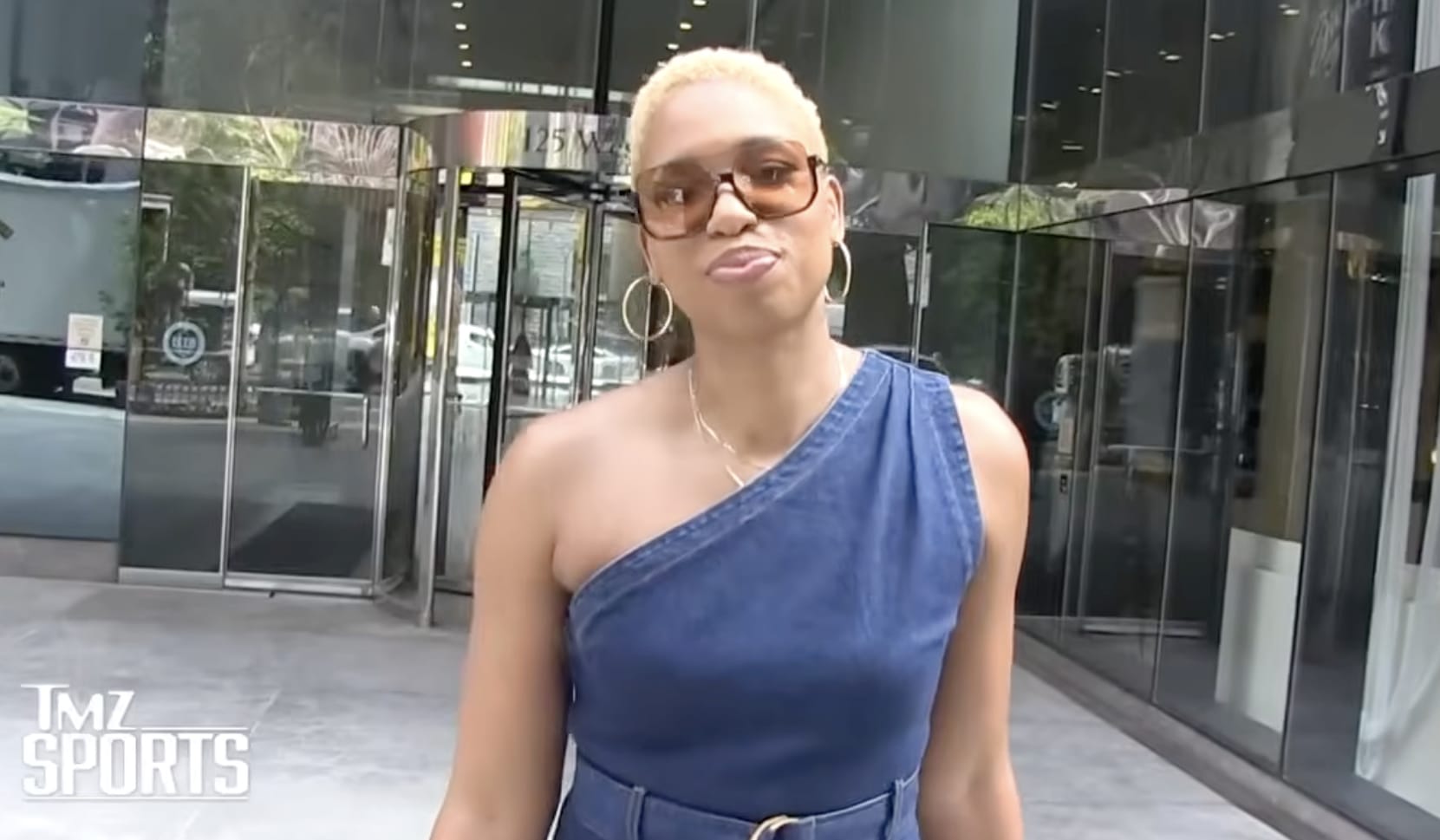
The meteoric rise of Caitlin Clark has not only transformed the WNBA’s viewership numbers but has also birthed one of the most passionate and protective fanbases in professional sports. Recently, this fervor was directed at ESPN analyst Monica McNutt following her comments that compared Clark’s supporters to “Swifties,” the notoriously loyal followers of pop icon Taylor Swift. While the comparison was intended to highlight the scale and intensity of the movement, many of Clark’s fans interpreted the remark as a slight against their sports-centric dedication.
The Friction Between Media Commentary and Fan Identity
The tension began when Monica McNutt, a respected voice in women’s basketball, drew parallels between the cultural phenomenon of Taylor Swift and the “Caitlin Clark effect.” From a media perspective, the comparison makes sense: both women have mobilized massive audiences, broken economic records, and brought newcomers into their respective industries. However, for many basketball purists and Clark enthusiasts, the “Swiftie” label felt like an attempt to categorize their interest as a pop-culture trend rather than a recognition of Clark’s generational talent on the court.
McNutt has been vocal about the need to respect the veterans who built the WNBA, often emphasizing that the league’s current growth is a collective achievement. When these sentiments clash with the singular focus of Clark’s fanbase, social media often becomes a battlefield. Fans argued that the comparison diminishes Clark’s athletic achievements by framing her popularity through a lens of celebrity fandom rather than basketball excellence.
Understanding the “Swiftie” Comparison in Sports
In modern sports discourse, being compared to a “Swiftie” is a double-edged sword. On one hand, it acknowledges a level of influence that transcends the sport itself. On the other, it often carries a connotation of “stanning”—a type of fandom that critics suggest is more concerned with the individual than the nuances of the game. For Clark’s fans, who have followed her record-breaking collegiate career at Iowa into her professional journey with the Indiana Fever, the suggestion that their support is anything other than sports-driven is a point of contention.
Insights into the current WNBA landscape suggest that this friction is a byproduct of the league’s rapid evolution. As traditional sports media figures like McNutt navigate the influx of new viewers, they are finding that the old ways of discussing the league are being challenged by a demographic that is fiercely defensive of its stars. The backlash against McNutt highlights a broader struggle to find a middle ground between honoring the league’s history and acknowledging the unprecedented impact of a single player.
The Evolution of WNBA Media Discourse
This incident is part of a larger trend where veteran analysts find themselves under intense scrutiny from a new wave of digital-savvy fans. Monica McNutt, known for her sharp tactical analysis and advocacy for women’s sports, represents the established guard of commentators who have covered the WNBA long before it was a mainstream ratings juggernaut. The clash illustrates the growing pains of a league that is moving from a niche market into the center of the global sports conversation.
As the WNBA season progresses, the relationship between media personalities and these passionate fanbases will likely continue to be tested. The challenge for analysts is to provide objective commentary without alienating a loyal audience, while fans are learning to navigate the often-critical nature of professional sports media.
Final Thoughts on the Shifting Dynamic of Women’s Basketball
The fallout from Monica McNutt’s comments serves as a reminder of how much the WNBA landscape has changed in a short period. Caitlin Clark’s arrival has not only brought more eyes to the court but has also brought a more vocal and organized fanbase that is unwilling to let perceived slights pass without a response. While the comparison to Taylor Swift’s fans may have been intended to illustrate a massive cultural shift, it ultimately highlighted the sensitivity surrounding how Clark’s impact is framed. Moving forward, the balance between celebrating a superstar and respecting the broader league remains one of the most complex narratives in modern sports journalism.